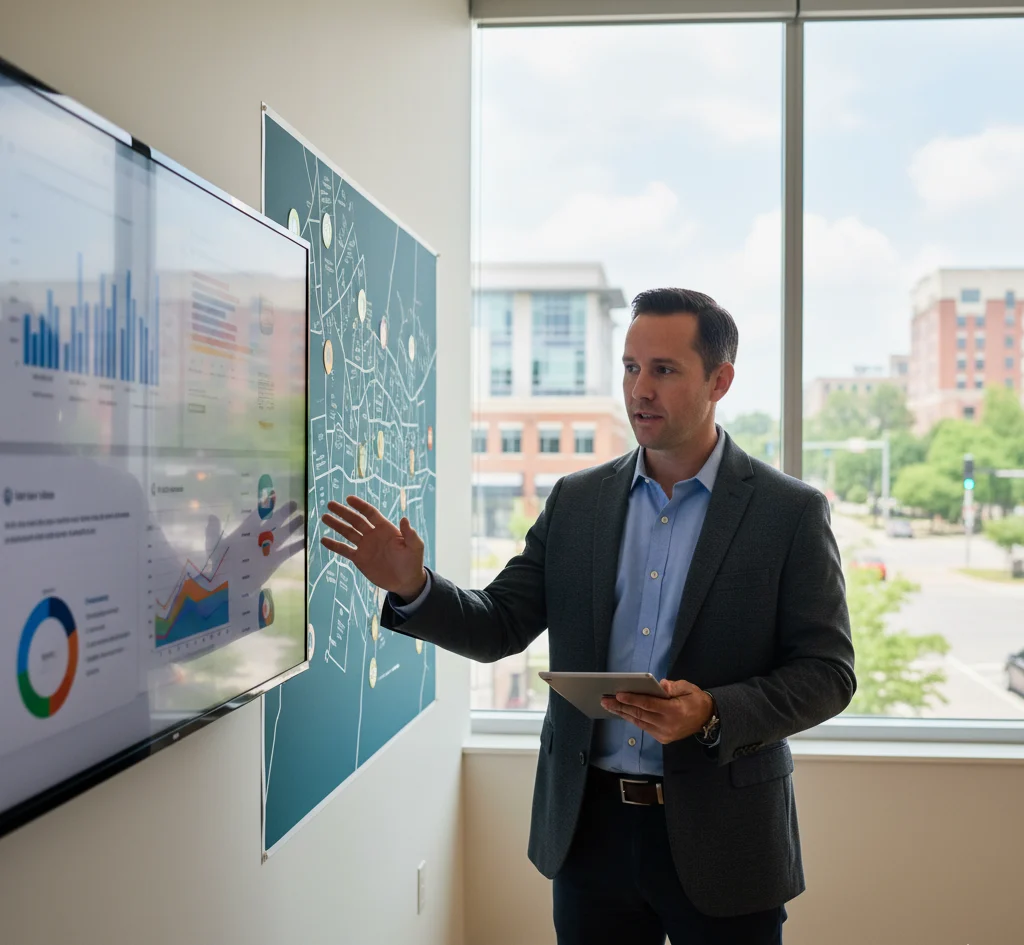
I work with local business owners every week, and one question I get more than any other is how to combine great seo and website design in Cary, NC so a site not only looks good but also finds customers. For context, Wake County is the most populous county in North Carolina according to the U.S. Census Bureau, and that growth means your website needs to stand out in a crowded local market to attract new buyers and retain repeat customers.
Why local SEO and website design have to work together
Design without search visibility wastes potential. SEO without usable design frustrates visitors and loses conversions. In Cary and nearby neighborhoods like Downtown Cary, Bond Park, and Carpenter Village, people search on phones while they are on the move; they expect fast pages, clear contact options, and local signals that prove you serve the area. When design and search strategy are joined, a site converts casual visitors into booked customers, calls, or store visits.
What business owners in the city are actually searching for
People in this area tend to use specific, location-driven searches. They type phrases that combine a service with a place, such as “best web designer near Downtown Cary” or “emergency HVAC repair Cary NC.” Page-level content that answers those exact queries wins more clicks. That’s why a local keyword plan that maps services to neighborhoods, landmarks, and common phrases is critical for growth.
Key local search patterns to watch
Searchers expect quick answers and trust local signals. They look for:
- Service plus neighborhood or landmark
- Short business hours and same-day availability details
- Mobile-friendly booking or click-to-call buttons
- Real local reviews and recent updates
Design elements that actually help SEO
Good design helps people and search engines at the same time. When I audit sites for clients around High House and Lochmere, I focus on user paths that turn traffic into actions. Design choices should reduce friction, reinforce trust, and improve core metrics that search engines use to rank pages.
Essential design priorities
Don’t let aesthetics overshadow performance. Prioritize:
- Speed and Core Web Vitals improvements so pages load quickly on mobile and desktop
- Clear calls to action on each page so visitors know what to do next
- Logical navigation and service-focused landing pages for local search queries
- Accessible forms and contact features so users can reach you fast
On-page SEO that fits the Cary market
On-page SEO for the city means thoughtful local content, schema that includes service area and hours, and optimized service pages that use neighborhood names naturally. I recommend writing content that answers the questions locals ask—pricing ranges, appointment windows, and neighborhood-specific problems—while maintaining simple language that’s easy to scan on a phone.
Content tips that attract local buyers
Create pages focused on the services people actually search for and include short local stories showing you work here. Use headers to break up steps, add local photos where relevant, and keep copy actionable so readers know exactly how to contact you. This approach helps with both search visibility and conversions.
How to measure results without guesswork
Local campaigns should be measured with metrics that matter: organic visits to city pages, phone calls from your website, form submissions, and local map visibility. Track these over time and compare neighborhood pages so you can invest where returns are highest. Regular reporting that focuses on real business outcomes is more useful than raw traffic numbers alone.
Two current trends that matter for local sites
Technology and user expectations change fast. Two trends are especially relevant for businesses in this area and can make a measurable difference in local visibility and user experience.
Core Web Vitals and page experience
Google’s emphasis on page experience makes site speed and stability non-negotiable. Sites with fast load times and smooth interactions get an edge in rankings and user satisfaction. For local businesses, this means minimizing heavy hero images, optimizing mobile layouts, and prioritizing the content visitors need first.
Local search assistants and conversational results
Search results increasingly surface short, direct answers and business suggestions from local search assistants. Optimizing for these results means using clear service descriptions, FAQ-style content, and structured data that helps search systems understand your offerings and service area.
Practical steps you can take this month
Here are straightforward actions you can implement quickly to improve both your website and local search performance. These are the same first steps I take for businesses across Cary and nearby communities.
- Run a basic site speed test and fix the largest blockers such as uncompressed images and render-blocking scripts.
- Create or update service pages to include neighborhood names and local examples of jobs or clients.
- Claim and update your business profile on the major map platform, making sure hours and categories are accurate.
- Collect and surface recent local reviews and answer them to show responsiveness.
How I approach a local website and SEO project
My method focuses on quick wins and long-term foundations. I combine site fixes that improve conversions now with a local content plan that grows visibility over months. That dual approach reduces wasted ad spend and improves organic performance sustainably.
Project phases I use with local clients
Typical phases include discovery, technical cleanup, local landing page creation, ongoing content, and measurement. Each phase has clear deliverables so you can see progress and prioritize budget where it will matter most.
Choosing the right partner in the region
When evaluating agencies or consultants, ask about experience with local businesses, examples from nearby neighborhoods, and measurable outcomes. Avoid teams that only focus on flashy visuals without a conversion plan. The best partners provide a documented strategy that ties design and SEO to real business goals like calls, bookings, and foot traffic.
Questions to ask before signing
Make sure to ask potential partners these direct questions: How will you track local leads? What improvements can I expect in 90 days? Which neighborhood pages will you prioritize and why? Answers focused on measurement and local signals are good; vague promises are not.
Common mistakes I fix for local businesses
Over the years I’ve seen the same avoidable problems: slow mobile pages, generic service pages that don’t reflect local language, missing contact details, and no process for getting new reviews. Fixing these areas usually results in noticeable increases in calls and bookings within weeks.
Typical timeline and realistic expectations
Local design and SEO work shows some results quickly and others more slowly. You can fix speed and navigation fast and see improved engagement within days, while organic rankings for competitive local terms usually climb over several months. Commit to at least a six-month plan to build momentum, then optimize from real performance data.
Wrapping up and what to do next
If you want a simple starting point this week, pick one service page and rewrite it to include your most searched phrases, local neighborhood names, clear contact steps, and a short, scannable FAQ. Run a speed check, fix the biggest issues, and ask three recent customers to leave short reviews describing where they were located when they found you. Those steps alone will improve local visibility and trust.
If you’re ready to move from improvement to results, I work with local businesses across Cary and nearby areas to combine strategic SEO with conversion-driven website design. For a no-pressure review and a clear plan that fits your goals, reach out to Bipper Media.