Living in and around Athens, I’ve helped neighbors figure out the easiest way to get rid of old appliances without the headaches. If you need appliance removal in Athens, Ga, this guide walks you through what to expect, how to prepare, costs, and the greener options for disposal. For context about our growing community, the U.S. Census Bureau reports local population and growth trends that affect waste and recycling needs — I keep an eye on their homepage for updates: U.S. Census Bureau.
Why proper appliance removal matters here
Appliances aren’t just bulky; they can contain refrigerants, compressors, and metals that need proper handling. In Athens, Ga, the combination of older homes, frequent updates to energy-efficient models, and student turnover means appliance turnover is a regular part of life. When appliances are left curbside without the right prep, they can create safety hazards, block sidewalks in neighborhoods like Five Points or Normaltown, and lead to fines or missed pickups. Improper disposal also misses recycling opportunities that keep metals and refrigerants out of landfills.
Common appliances people need removed
From small units to large systems, I see the same list again and again. Knowing what category your item falls into helps you plan and avoid surprises the day of pickup.
- Refrigerators and freezers — often require refrigerant handling and certification to recycle.
- Washing machines and dryers — heavy, awkward, and tricky to move down stairs or through tight doorways.
- Stoves and ovens — may have gas hookups that need safe disconnection.
- Microwaves, dishwashers, and air conditioners — can contain electronic components that should be recycled properly.
How a professional appliance removal service works
When I hire a junk removal team, I expect a simple, predictable process. Most reputable services follow these steps, which I’ll walk through so you know what to ask for before they arrive.
1. Booking and estimate
Call or book online with a brief description of the appliance type and pickup location. Many companies offer a flat-rate quote for standard appliance removals; a transparent estimate should list any extra charges for stair carries, tight access, or hazardous components.
2. Preparation before arrival
Empty and wipe down appliances, disconnect water or gas lines if you’re comfortable doing so, and clear a path from the appliance to the truck. If you’re near the University of Georgia or downtown, consider barricades or temporary parking permits if a truck will block a narrow street.
3. On-site removal and disposal
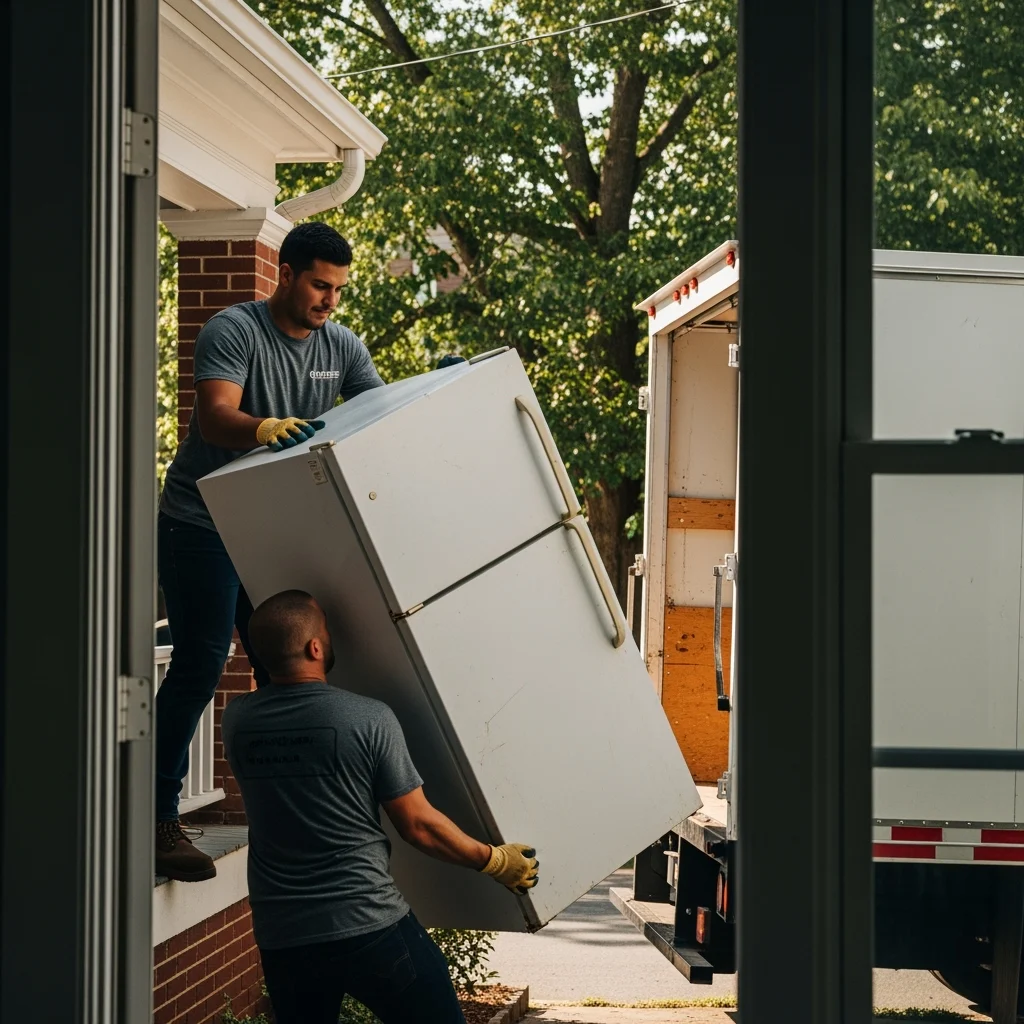
The crew should move items safely, use proper lifting techniques and equipment, and offer proof that they’ll recycle or responsibly dispose of each appliance. Ask directly where items are taken — many services partner with local recycling centers or scrap metal facilities.
Costs: What to expect and how to save
Price depends on the appliance type, access difficulty, and whether the unit contains regulated materials (like refrigerants). Typical pricing in Athens ranges from modest fees for small appliances to higher rates for refrigerators or second-floor pickups. To keep costs down, try these tips:
- Schedule pickup during weekday hours when crews have more flexibility.
- Bundle items — removing a washer and dryer together is usually cheaper than two separate trips.
- Clear access so the crew can move items directly from your door to the truck without extra labor time.
Local rules and recycling options
Athens-Clarke County encourages recycling and proper disposal of hazardous appliance components. Refrigerators and air conditioners often require certified refrigerant recovery before recycling. While the county’s residential pickup rules change, most removal services handle the regulatory side so you don’t have to worry about permits or certifications. If you’re curious about local programs, call your service provider and ask where your appliance will be processed — a responsible company should be able to answer.
Trends shaping appliance removal services
Two trends I’m watching closely are green disposal and on-demand pickup. First, more companies are committing to appliance recycling and refrigerant reclamation, reducing landfill waste and returning metals to the supply chain. Second, same-day and contactless pickup options became popular after recent shifts in consumer expectations, especially among students and busy households. These trends make it easier to replace a broken appliance quickly and responsibly.
Neighborhood tips for Athens pickups
Different parts of the city present specific challenges — I’ve learned to plan pickups differently depending on where I live. Downtown Athens and the areas around the University of Georgia have narrow streets and busy parking. In neighborhoods like Boulevard and Normaltown, properties may have limited driveway space, and multi-unit homes often require coordination with property managers. Communicate access details clearly when you book so the crew brings the right equipment and permits if needed.
Questions I always ask before booking
To make sure a removal goes smoothly, I ask these key questions. You should, too — they cut confusion and prevent extra charges.
- Do you handle refrigerant-containing appliances, and where are they processed?
- Is the price a flat rate, and what would trigger an extra fee?
- Can you remove items from a second-floor unit or through narrow stairwells?
- Will you provide recycling or disposal documentation upon request?
How I prepare my home the day of pickup
Preparation is simple and makes the crew’s job faster. The night before the removal, I clear pathways, unplug appliances, secure pets, and remove any personal items. If you can, move the appliance close to an exterior door to reduce carry time. For refrigerators, defrost and dry them out the day before to avoid leaks during transfer. If you’re unsure about disconnecting gas or water lines, ask the crew to handle it — most teams have the experience and tools to do it safely.
What to do with data and sensitive items
Appliances like smart refrigerators or washing machines with memory functions can store personal information. Before disposal, remove any user accounts or reset the appliance to factory settings. For connected devices that sync with home networks, I remove Wi‑Fi profiles and unlink accounts to protect my privacy. If you’re uncomfortable doing this yourself, ask the removal team — many will guide you through a safe reset.
Real problems I’ve seen and how to avoid them
I’ve encountered a few recurring pain points that you can prevent with a little planning. One is miscommunication about access: crews arrive and find stairs, narrow doorframes, or parked cars blocking the route. To avoid this, describe your access precisely when booking and consider moving your car or reserving parking space. Another issue is surprise fees — avoid this by getting a detailed estimate that lists stair fees, extra labor, or disposal surcharges. Finally, some people assume an old appliance is automatically recycled; ask for proof or a description of where items are taken so you know it won’t end up in a landfill.
Frequently asked questions
Can I leave an appliance at the curb?
City rules vary and items left at the curb may be subject to fines or missed pickup. In heavily trafficked neighborhoods and near campus housing, curbside items can block pathways and create hazards. Professional removal avoids uncertainty and ensures proper disposal.
Do I need to disconnect appliances before pickup?
If you’re comfortable, disconnect water and gas lines ahead of time. If not, many crews can perform safe disconnections for a small additional fee. Always communicate this when you book.
Will someone recycle my old refrigerator?
Refrigerators commonly require refrigerant reclamation. Reputable removal companies work with certified recyclers or handle refrigerant recovery themselves. Ask the company where your unit will go and whether refrigerant will be recovered.
Quick checklist before you call
- Identify the appliance type and condition (working, damaged, contains refrigerant).
- Measure doorways and stair widths if you have concerns about access.
- Decide if you need same-day pickup or can schedule ahead for a lower rate.
- Gather any documentation you want the crew to provide about recycling or disposal.
Wrapping up and next steps
If an appliance is taking up space or you’re about to upgrade to a newer, more efficient model, professional help makes the process painless and responsible. I recommend booking with a service that clearly outlines pricing, recycling practices, and access needs. If you want a reliable local option that handles appliance removal, disposal, and recycling with attention to Athens neighborhoods and regulations, contact Maximus Operations at their website to arrange pickup.
For a fast, locally focused solution to appliance removal in Athens, Ga, visit Maximus Operations to get started.