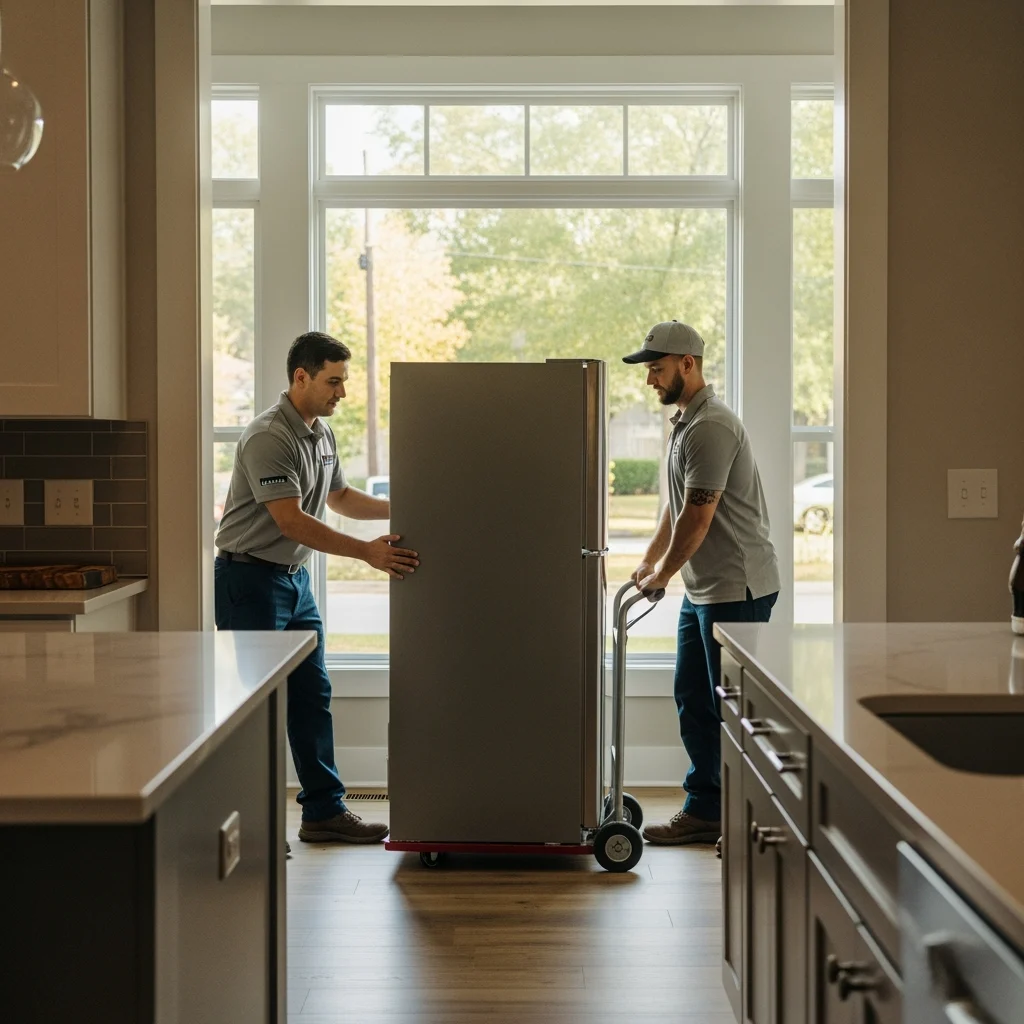
I live and work in this area, so I know how quickly old washers, refrigerators, and stoves pile up when life gets busy. If you need appliance removal in Athens, Ga, there are smart choices you can make that save time, money, and worry. For local rules, pickup schedules, and recycling options, the best place to check is the Athens-Clarke County website: Athens-Clarke County.
Why appliance removal matters right now
Appliances aren’t ordinary trash. Refrigerators and air conditioners contain refrigerants; washers and dryers are heavy and awkward; and some newer appliances have electronics that need special handling. Improper disposal can mean fines or having to call someone back to fix a missed step. Beyond the rules, getting an old appliance out of a house frees up space, prevents pests, and reduces the risk of injury when someone tries to move something that’s too heavy.
In Athens and surrounding neighborhoods like Normaltown, Five Points, and downtown near the University of Georgia, curbside programs and private services both play a role. Over the past few years there’s been growing attention to recycling and responsible disposal — that’s a trend you’ll want to ride, not fight.
Common scenarios I help readers with
Most of the calls and messages I see fall into a few categories: a broken refrigerator someone discovered during a move, a landlord needing a washer hauled out of a rental unit after a tenant left it behind, a homeowner replacing an oven and needing the old unit taken away, or a property manager clearing out appliances during a cleanout. Each one has its own challenges: access, disconnection, narrow stairways, and scheduling. Identifying which situation you’re in helps plan the right approach.
Trends shaping appliance removal services
Two trends are changing how people in Athens handle old appliances. First, more cities and counties are pushing appliance recycling programs to capture metals and safely remove refrigerants. Second, delivery services for new appliances now often offer haul-away options at delivery time — but those options vary in price and scope. Knowing what’s available locally means you can avoid paying twice.
What the recycling push means for you
Recycling rules mean technicians must recover refrigerants from freezers and air conditioners before devices are shredded. That can add cost, but it’s better for the environment and reduces hazardous waste entering landfills. When you hire a local removal service, ask whether they handle refrigerant recovery and where they take appliances for recycling.
Delivery and haul-away coordination
If you’re buying a replacement, ask the seller if they include haul-away and whether they will disconnect and remove the old unit. If they don’t, coordinate an appliance removal service so the old unit is gone when the new one arrives. That prevents double handling and prevents blocked doorways or driveways after delivery day.
How to prepare an appliance for pickup
Preparation saves time and reduces fees. These are the steps I recommend before your appointment:
- Unplug and defrost freezers and refrigerators at least 24 hours before pickup if possible, and dry the interior to prevent leaks.
- Disconnect water lines from washers, dishwashers, and refrigerators with ice makers. If you’re unsure, take a photo of the hookup so a technician can advise.
- Measure doorways, staircases, and elevators. If the appliance is larger than the path out, removal may require disassembly or a window lift.
- Clear a path outside to where the removal truck will park; keep pets and children away on pickup day.
What to expect from a reputable local removal service
When I evaluate services for a friend or family member, I look for transparency and safety. A reliable crew will give a clear quote, explain recycling and disposal steps, handle disconnections or recommend licensed tradespeople, and carry insurance. They’ll also ask about access and obstacles — stairs, narrow turns, or parking limits — and they won’t surprise you with hidden fees on arrival.
Questions to ask before you book
Before you schedule, ask these four questions so you know what you’re getting:
- Do you remove appliances from inside the house or only curbside?
- Do you recycle, donate, or landfill old appliances?
- Are refrigerants and other hazardous materials handled according to regulations?
- What is your cancellation or rescheduling policy?
Local considerations in Athens and surrounding neighborhoods
Athens has a mix of houses, apartments, and student rentals. Narrow hallways and old homes with small staircases can complicate removal. If you live near downtown, Prince Avenue, or the Sandy Creek/Clarke County area, expect potential parking restrictions or permit requirements for large trucks. Planning the route from inside your home to the truck can cut the job time in half.
Another local concern: students moving in and out create high demand during summer and at the start and end of each semester. Schedule early to avoid peak-week delays if you’re dealing with a large refrigerator or several appliances at once.
Pricing expectations and how to avoid surprises
Prices vary based on what you’re removing and the job’s complexity. A simple curbside pickup of a single appliance will cost less than removing multiple units from inside a third-floor walk-up. Additional costs can include stair fees, disconnection, refrigerant handling, and disposal surcharges. To avoid surprises, get a written estimate, a description of what’s included, and ask whether the company provides recycling documentation if you need it for tax or landlord records.
My quick checklist to keep costs down
Following this checklist can reduce labor time and fees:
- Have appliances ready and accessible at the agreed time to avoid extra waiting charges.
- Defrost and dry refrigerators in advance to prevent water removal fees.
- Measure for fit so crews know if disassembly or extra manpower is required.
- Consider combining pickups (appliance plus mattress or furniture) to save on per-job fees.
Safety, environmental rules, and electronics
Appliances with refrigerants and other regulated materials require certified handling. For refrigerators and air conditioners, certified technicians must reclaim refrigerants before the appliance can be recycled. Smart appliances also contain data or connected components; wiping settings and removing accounts is prudent before disposal. If you’re unsure how to secure a smart appliance, ask the removal company for steps — many have simple checklists to follow.
How I vet a local removal team
When I pick a provider for a house or recommend one to neighbors, I look for: proof of insurance, clear pricing, recycling partners, and experience working in town. Local knowledge is a huge plus — a crew familiar with downtown parking, local zoning rules, and common building layouts will be faster and more reliable. Reviews and word-of-mouth matter, but I also recommend calling and speaking directly so you can judge responsiveness and helpfulness.
Actionable plan: schedule and complete a smooth removal
Here’s a simple plan I use when arranging appliance pickup. It’s quick, practical, and keeps surprises to a minimum.
- Step 1: Measure the appliance and doorways. Take photos of hookups and the path from the appliance to the curb.
- Step 2: Call or book online, describe access issues, and confirm recycling/disposal practices.
- Step 3: Prepare the appliance (defrost, disconnect, dry), and have a clear outdoor spot for the crew to place the unit.
- Step 4: Be present or leave explicit pickup instructions. Get a receipt that lists disposal method if you need proof.
What to do with appliances that still work
If an appliance still runs, consider donation or resale. Several local charities accept working appliances if they meet safety standards. Another option is listing on local marketplaces or neighborhood groups; buyers often pick up and do the heavy lifting themselves. If you plan to donate, call first to confirm they accept large appliances and to learn their drop-off or pickup rules.
Common mistakes to avoid
There are a few mistakes I see over and over that cost time and money. Don’t leave an appliance plugged in or with water lines attached. Don’t assume delivery trucks can legally park in front of your home without checking for permits. And don’t accept a vague verbal price — ask for a clear quote that spells out extras like stair fees, refrigerant handling, or after-hours pickups.
When you need specialized removal
Some situations need more than a standard crew. Commercial-grade appliances, units with asbestos-containing insulation, and units that require certified refrigerant recovery fall into this category. In those cases, ask for proof of certification and make sure the company follows state and federal disposal rules. If the appliance was part of a larger renovation, coordinate with your contractor so disposal happens on schedule.
How I help neighbors make the right choice
When advising friends in Athens, I focus on three things: clarity, safety, and sustainability. Clear written pricing and a confirmed appointment time reduce stress. Safety includes proper disconnects and handling. Sustainability means choosing a team that recycles or donates whenever possible. Taking those priorities into account leads to a smooth experience and keeps bulky, hazardous items out of landfills.
Final tips and a quick local resource reminder
Plan early during moving season, confirm what the removal company will do with hazardous components, and keep a record of your pickup. For local rules, pickup schedules, and county recycling information, check the Athens-Clarke County website before you book so you know what’s allowed and what services the county offers.
If you’re ready to get an old appliance out of your home or property and want a trusted local partner who understands Athens and its neighborhoods, you can contact Maximus Operations for a quote and to schedule service in Athens, GA.