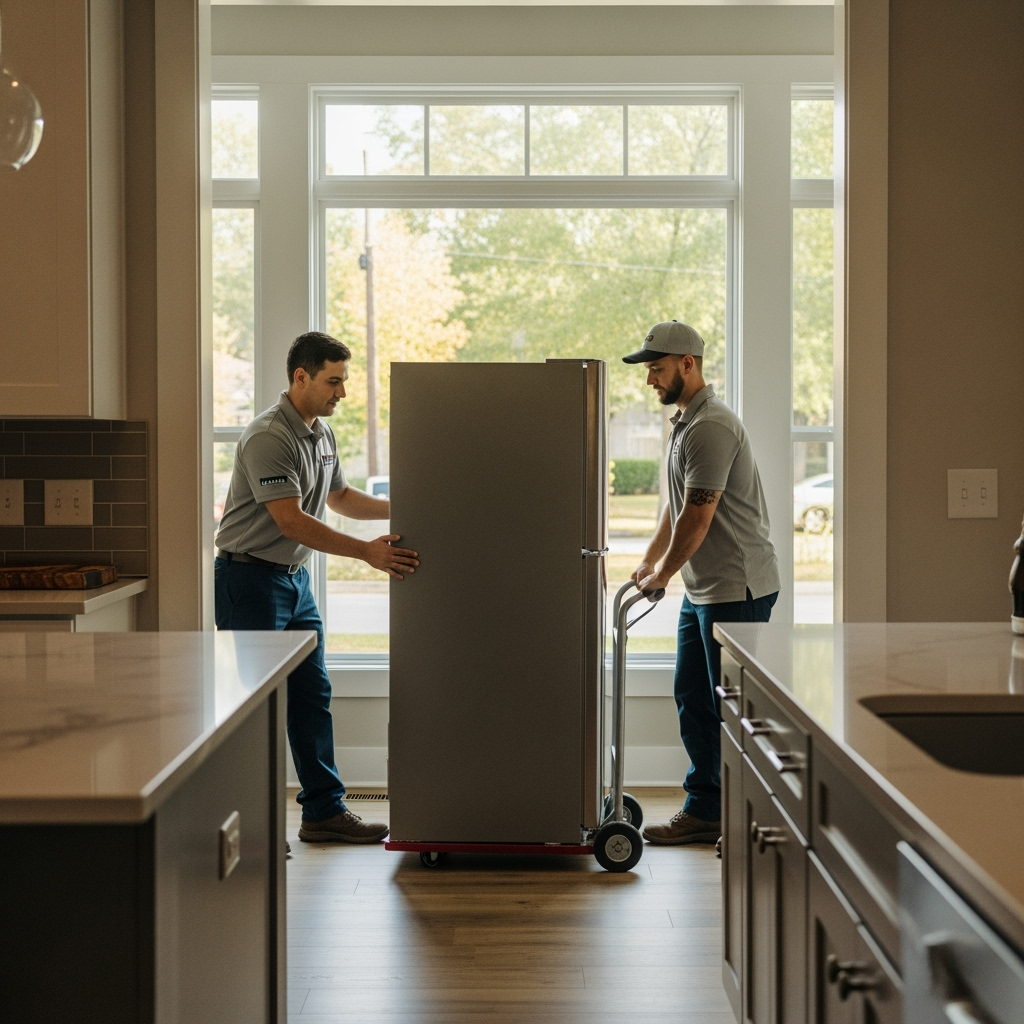
I know how frustrating it is to have an old fridge, washer, or oven taking up space when you just want your home back. If you’re searching for appliance removal in Athens, Ga, you’ll find helpful, practical options here that make the job simple and responsible. For a quick read on how appliance disposal impacts the environment and what federal guidelines exist, see the U.S. Environmental Protection Agency homepage for guidance EPA.
Why proper appliance removal matters in Athens
Appliances are bulky and often heavy, which makes them tricky to move. Beyond the muscle required, many contain materials that need special handling, like refrigerants in older refrigerators or heavy metals in electronics. Leaving an appliance on the curb or trying to haul it off without the right tools can damage floors, stairways, and your back. In this city, where narrow streets and tight staircases are common—especially near Downtown, Five Points, and the University of Georgia neighborhoods—professional removal often avoids costly accidents and fines.
Common risks when disposal is handled poorly
Poorly handled appliance disposal can mean broken floors, dented vehicle interiors, or even fines for leaving items illegally. There’s also an environmental cost: refrigerants and oils from appliances can leak into soil and waterways if not removed correctly. That’s why choosing a service that knows local rules and follows safe handling procedures is important for both your home and the wider community.
What to expect from a professional appliance removal service
A reliable removal crew will take the guesswork out of the process. Expect a clear estimate, a planned time window for pickup, and removal technicians who show up with the right equipment—dollies, straps, protective padding, and trucks sized for household jobs. They’ll disconnect and remove the appliance safely or, where regulations require, arrange for certified technicians to handle refrigerant recovery or hazardous components. In Athens, this often means crews prepared for stairs, narrow porches, and parking restrictions near campus or historic districts.
Steps a trained crew will follow
Professionals usually follow this route: they confirm the appliance dimensions and access points, protect floors and walls during removal, disconnect power lines if needed, and load the item securely into their vehicle. After removal, many teams sort items for recycling, donation, or proper disposal—reducing waste and saving you from having to figure out local recycling rules.
How much does appliance removal cost in Athens?
Costs vary depending on size, weight, and difficulty of access. A single small appliance like a microwave or compact washer runs less than a large appliance such as a refrigerator or commercial stove. Additional fees might apply for stairs, long carries from the back of a house, or handling hazardous materials. The fastest way to get an accurate price is to ask for an on-site estimate or provide photos so the crew can assess time and equipment needed.
Factors that affect price
Expect the final price to consider:
- Type of appliance and whether it needs special handling (refrigerator vs. electric stove).
- Access challenges such as tight corners, long carries, or multiple flights of stairs.
- Whether the item is bulky or needs to be disassembled first.
- Distance to recycling or disposal facilities and landfill/processing fees.
Local rules and recycling options
Athens-Clarke County, like many municipalities, has rules for bulky waste and certain items require specialized handling. The city sometimes offers scheduled bulk pickup programs, but those programs typically have size, scheduling, and material restrictions. For example, appliances containing refrigerants or oil often need certified recovery before disposal. When in doubt, professionals can tell you whether an item should go to a recycling center, an authorized waste facility, or can be donated.
Donation and reuse opportunities
If an appliance still works, donation is a great option and extends the life of the unit while helping someone in need. Local charities, community centers, and thrift organizations sometimes accept working appliances, though pickup policies vary. For non-working but salvageable units, some salvage operations or recyclers will strip usable parts and recycle metals and plastics responsibly.
Trending topics in appliance removal and disposal
Two trends are shaping local appliance removal right now. First, sustainable disposal practices are gaining traction: more services now prioritize recycling and ensure refrigerants are reclaimed rather than vented. Second, on-demand booking and same-day pickup options are becoming more common; technology and logistics improvements let crews respond faster to last-minute moves or estate clear-outs. These trends benefit homeowners who want quick service without sacrificing environmental responsibility.
How these trends affect you
Sustainable practices often mean slightly higher upfront costs because crews must follow strict disposal guidelines. However, the environmental benefits and reduced liability often outweigh the cost, especially when you consider fines for illegal dumping or improper disposal. Quick, app-based bookings let you schedule around tight timelines for move-outs or renovations, which is particularly helpful near campus neighborhoods where turnover is frequent.
Practical steps to prepare for pickup
Preparation saves time and money. Here’s how to make removal efficient and reduce the chance of extra charges or delays.
- Measure the appliance and doorways so the crew knows about tight fits before arriving.
- Clear a path by moving small obstacles, rugs, or porch furniture that could block the route.
- Defrost refrigerators 24 hours before the pickup to avoid leaks and extra handling time.
- Disconnect utilities if your comfort level and local codes allow; otherwise, let the pros handle it.
What you should not try on your own
It’s tempting to move appliances yourself to save money, but certain actions are risky. Don’t try to remove refrigerants from a refrigerator unless you’re certified—the chemicals are hazardous and illegal to release. Avoid dragging heavy appliances across floors without pads; that can cause permanent damage to hardwoods and tile. Also, don’t leave large appliances on the curb in restricted districts—this can lead to fines and delays in city pickup.
Items commonly refused by haulers
Some items require special permits or licensed contractors, and a removal crew may refuse them. These commonly include appliances with built-in asbestos-containing components, units with large quantities of oil or fuel, and older systems where hazardous materials are suspected. Always ask the removal service what they can and cannot accept before scheduling a pickup.
How appliance removal helps your move or renovation
Timely appliance removal keeps a renovation on schedule and simplifies moving day. Clearing bulky items creates safe working space for contractors and allows movers to maneuver freely without damage. If you’re selling or renting, removing old appliances can boost curb appeal and speed up closing timelines because buyers and renters often expect a clean, ready-to-use space.
Case example: downsizing near the university
When students move out or landlords renovate near campus, large volumes of appliances often accumulate. Quick removal prevents items from piling up in garages or porches where they become an eyesore and a safety concern. Professional crews can schedule pickups aligned with move-out weekends, reducing stress and ensuring legal disposal routes are followed.
How to choose the right service in Athens
Choosing a trustworthy crew means looking for clear communication, transparent pricing, proper licensing, and a focus on recycling. Read reviews, ask how they handle refrigerants and recycling, and confirm whether they provide on-site estimates or need photos. A good team will explain their disposal process and give a written or emailed estimate so you know what to expect on pickup day.
Questions to ask before booking
Before you commit, ask these simple questions to protect yourself and your property:
- Do you handle appliance disconnections, or should I have utility services disconnected first?
- How do you dispose of refrigerants and hazardous components?
- Is there an extra charge for stairs, long carries, or tight access?
- Will you recycle or donate usable parts, and can I get a receipt for disposal if needed?
Local statistics and why they matter
Understanding local population and housing trends helps explain why appliance removal services are in demand. Athens-Clarke County has a dynamic rental and student population that drives frequent move-ins and move-outs. For recent population figures and broader demographic context, see the U.S. Census Bureau homepage for the most up-to-date data U.S. Census. These trends affect scheduling demand and can create peak periods for removal services, especially during summer and at semester end.
Final checklist: fast removal, less hassle
Use this quick checklist the day before your scheduled pickup to make everything smoother.
- Confirm the pickup window and plan to be available or leave clear access instructions.
- Defrost and dry refrigerators, and secure doors on washing machines and ovens to prevent shifting during transport.
- Measure entryways and note any stairs or narrow walkways to avoid surprises at pickup.
- Ask for documentation if you need proof of proper disposal or recycling for lease or resale records.
Conclusion and how to get help in Athens fast
If you want fast, responsible appliance removal in Athens, Ga, a local crew can save time, protect your home, and ensure appliances are recycled or disposed of properly. For a reliable team that handles pickups, recycling, and safe refrigerant recovery while working around narrow streets and campus schedules, reach out to Maximus Operations. They can help you clear space quickly and handle the heavy lifting so you don’t have to.